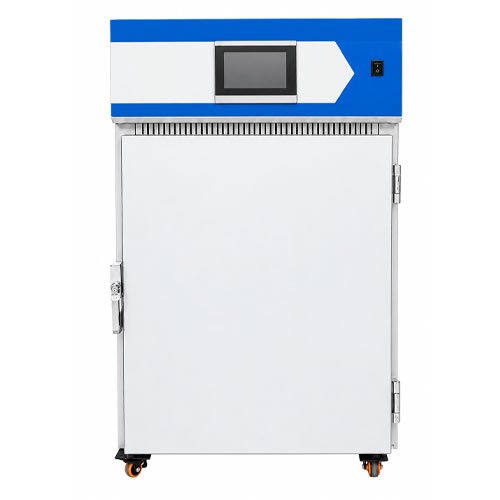
Photo Stability Chambers in Modern Laboratories: Improving Testing Reliability and Product Evaluation

Photo Stability Chambers in Modern Laboratories: Improving Testing Reliability and Product Evaluation
Product development increasingly depends on evidence about how materials behave under different environmental conditions. Light exposure is an important consideration for pharmaceuticals, cosmetics, specialty chemicals, and other products that may change when exposed to particular wavelengths. These changes can influence product appearance, chemical composition, functional properties, or suitability for a specified use. Photo stability chambers help laboratories investigate light-related changes by creating a controlled environment for structured testing.
For organisations evaluating laboratory equipment, the JSK Engitech photo stability chamber product page provides an entry point for learning about this type of system. Understanding how the equipment supports research, quality control, and product development helps laboratories decide which capabilities are necessary and how the chamber should fit into their testing workflow.
From Product Development to Quality Assessment
Light sensitivity can be relevant at several stages of a product's lifecycle. During development, manufacturers may investigate whether a formulation requires modification or whether particular packaging materials offer suitable protection. During quality assessment, testing may help establish whether exposure conditions are associated with changes in defined product characteristics.
These investigations require a clear relationship between the testing objective and the exposure conditions. A chamber creates the environment in which samples are exposed, but the test protocol determines which samples are examined, which controls are needed, and how the results are interpreted.
Supporting Formulation Decisions
When a product changes during light exposure, formulation scientists may need to determine whether the effect is related to an active ingredient, an excipient, or an interaction between components. Appropriate analytical testing can help investigate these possibilities. The findings may support further formulation development or the selection of conditions under which the product should be stored and handled.
Light exposure results should be interpreted alongside other relevant stability information. Photostability is one aspect of product evaluation and does not replace the other testing needed to establish product quality over time.
Improving the Reliability of Laboratory Comparisons
A meaningful comparison requires samples to be exposed under known conditions. If different samples receive different amounts of light, the results may be difficult to interpret. Similarly, unrecorded temperature changes or inconsistent sample handling can introduce uncertainty into the investigation.
A well-planned study defines the exposure conditions, sample placement, measurement approach, and relevant controls. The chamber should support those requirements, and operators should document any deviations that could influence the results.
Reproducibility and Traceability
Reproducibility means that a test can be repeated under appropriately comparable conditions and produce results that can be evaluated consistently. Traceability means that important details about the samples, equipment, instruments, and procedures can be reconstructed from the records.
These principles are important when comparing formulations, assessing packaging options, or investigating unexpected product changes. Equipment identification, instrument status, exposure measurements, and sample histories all contribute to the evidence needed for a meaningful comparison.
Understanding the Importance of Controlled Illumination
Different wavelengths can produce different photochemical effects. A chamber intended for photostability testing may therefore need specific visible-light and ultraviolet capabilities. The appropriate combination depends on the study objective and relevant testing requirements.
Exposure intensity and duration must be considered together. Two tests performed for the same length of time may not deliver the same accumulated exposure if their light intensities differ. Laboratories should use suitable instruments and documented methods to verify the actual conditions rather than relying only on operating time.
Sample Position and Chamber Layout
The geometry of the exposure area influences how light reaches individual samples. Sample holders, container shape, distance from the light source, and the arrangement of nearby materials can create differences in exposure. These effects may be particularly important when testing multiple samples simultaneously.
Laboratories should identify the usable exposure area and establish a consistent sample arrangement. If the chamber is used for different sample formats, the effect of each arrangement should be considered when defining the procedure.
Using Photostability Testing to Evaluate Packaging
Packaging influences the amount and type of light that reaches a product. Some materials transmit more light than others, while certain packaging designs provide greater protection under specific conditions. Evaluating the product together with its intended packaging can help manufacturers investigate whether additional protection may be necessary.
The choice of packaging should be supported by appropriate evidence rather than appearance alone. A coloured container is not automatically suitable for every light-sensitive formulation, and a packaging material's performance may depend on its thickness, composition, construction, and the relevant wavelengths.
Testing should reflect the product presentation and the purpose of the investigation. Depending on the application, the study may evaluate an unprotected sample, a packaged sample, or both, with appropriate controls to support interpretation.
Applications Across Different Laboratory Environments
Pharmaceutical Research and Quality Control
Pharmaceutical laboratories may use photo stability chambers to investigate the light sensitivity of drug substances, finished products, and related materials. These studies can contribute to product development and quality assessment when conducted under the applicable procedures and requirements.
Cosmetic Formulation Development
Cosmetic formulations may experience changes in colour, odour, texture, or chemical composition under some light conditions. Controlled testing can help manufacturers investigate these changes and compare formulation or packaging options. The relevant evaluation methods should reflect the characteristics and intended use of the product.
Chemical and Research Applications
Some specialty chemicals, laboratory reagents, and research materials may be sensitive to light. Controlled exposure can help researchers investigate the stability of these materials under defined conditions. The chamber configuration should be suitable for the particular samples and the hazards associated with their handling.
Integrating the Chamber Into a Laboratory Workflow
Equipment performance is only one part of a successful testing operation. The laboratory also needs suitable sample preparation procedures, measurement instruments, analytical methods, staff training, and recordkeeping practices. If the chamber is difficult to load, clean, monitor, or maintain, these practical issues may affect routine workflow.
Before installation, assess the available space, electrical requirements, ventilation needs, access for maintenance, and proximity to other laboratory equipment. Establish who is responsible for operating the system, reviewing exposure data, performing maintenance checks, and approving deviations.
Choosing Equipment for Current and Future Needs
Equipment selection should reflect both the immediate testing programme and reasonable future requirements. Consider the number of samples, required exposure conditions, available measurement tools, control capabilities, documentation needs, and maintenance resources.
The JSK Engitech photo stability chamber product page can be used as a starting point for researching equipment. Prospective buyers should verify the specific model's technical specifications, including the light sources, usable capacity, monitoring features, and any supplied accessories. Where the intended application has demanding requirements, request supporting documentation and technical clarification before purchase.
Maintaining a Strong Quality Framework
A chamber cannot independently guarantee reliable results. The laboratory must establish appropriate procedures for calibration or verification, sample identification, exposure measurement, data review, and deviation management. Staff should understand both the purpose of each test and the limitations of the equipment.
Periodic review of testing records can help identify recurring issues, such as inconsistent sample placement, instrument drift, or repeated interruptions. Corrective actions should address the underlying cause and be documented according to the laboratory's quality system.
Conclusion
Photo stability chambers support laboratory investigations into the effects of light on pharmaceuticals, cosmetics, chemicals, and other sensitive materials. Their value lies in enabling controlled exposure studies that can contribute to formulation evaluation, packaging decisions, and product-quality assessment.
Reliable outcomes require appropriate equipment, verified exposure conditions, sound analytical methods, and complete records. Laboratories researching this technology can begin with the JSK Engitech Photo Stability Chamber photo stability chamber product page, then assess the detailed specifications and testing requirements needed for Photo Stability Chamber their own applications.